Ambulatory
EEG Testing

At Stratus, we believe advanced diagnostics should be convenient, clear, and centered around your patient's wellbeing. Stratus' ambulatory video EEG process makes testing convenient and simple for patients while providing physicians with timely, high-quality data, and diagnostic reports to diagnose and treat patients.  

As the nation's leading provider of in-home EEG testing, we offer unparalleled data quality using the latest technology in the neurodiagnostic field. Our highly qualified EEG technicians perform in-home services for both adult and pediatric patients, while adhering to quality assurance measures for every EEG. Stratus also offers a secure, easy-to-use, HIPAA-compliant, web-based review software, StratusEEGTM.

Why Choose Stratus for VEEG Testing?

Annotated & Pruned Data

Stratus’ R. EEG T.s annotate and prune all studies with the help of AI spike & seizure detection and EEG trend analysis tools to reduce the time needed to review a completed study.

Nationwide VEEG Testing Services*

Video EEG at home that’s convenient and cost-effective.

Best-in-Class Technology

Two HD cameras with audio and low-light/nocturnal capture, intermittent monitoring, 24/7 tech support, pruned and annotated data with reports, and web-based review software.

24/7/365 Appointments & Service 

Flexibility that meets your patients’ needs and schedules, even on weekends and holidays.

Lower Patient Costs

The outpatient EEG test cost is generally a fraction of the inpatient EEG cost, as low as 1/3rd of the cost for a 72-hour recording.²

High-Integrity Data 

99.7% diagnostic utility1- A retrospective review of approximately 10K studies showed only 0.3% of Stratus’ in-home VEEGs with intermittent monitoring were eliminated from assessment due to excessive artifact.2

Optional Interpretation Services

Don’t want to read EEGs? Our national reader group can read and interpret your patient’s studies for you.

NEW Extended EEG Option

Stratus now offers a limited montage, wireless EEG option for long-term ambulatory use. Learn more.

Why In-Home Can be Better

In-home, ambulatory VEEG testing can deliver valuable insight into any environmental triggers that may contribute to the episodes experienced by your patient. In-home VEEG also typically provides a quicker time to testing and test results, allowing physicians to make appropriate diagnosis and treatment plans sooner.

Read more on the published, peer reviewed studies that have demonstrated the quality and accuracy of an in-home video EEG (VEEG) test, and how it rivals an inpatient EMU evaluation without the costly hospital visit.

Optimal Duration of Ambulatory Video EEG
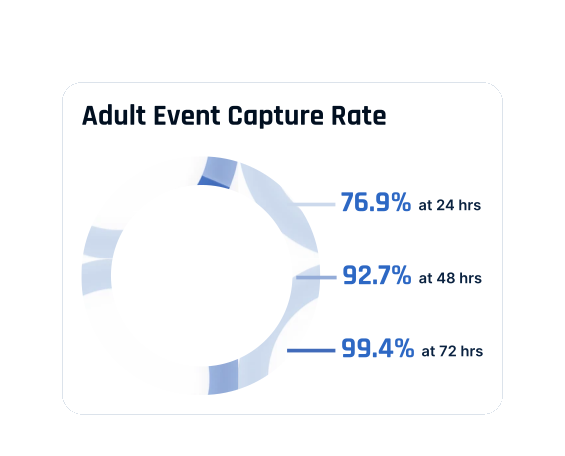
Stratus reviewed data from its patients and published a peer reviewed paper on the optimal length of study for clinical event capture. For adult and geriatric patients, the optimal EEG recording length is between 48 and 72 hours to capture event data for diagnostic purposes. Some individual patients benefited from longer assessments. The ideal duration to optimize capture of clinical events in children is at least 48 hours.3

REMI™ Extended Wireless EEG System

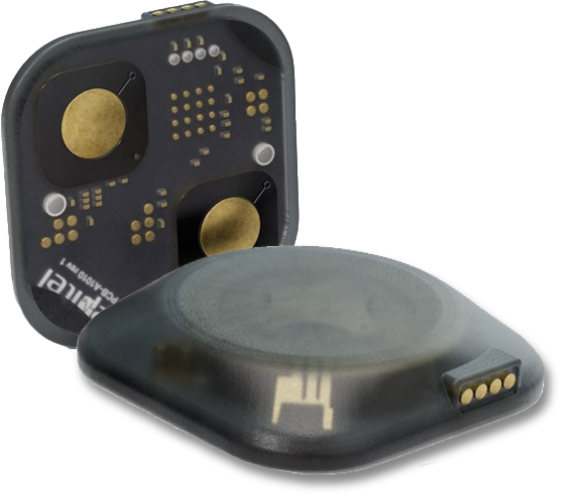
For patients with infrequent seizures or spells, a standard 72-hour ambulatory EEG often fails to capture the definitive diagnostic data you need. Through our partnership with Epitel, Stratus provides the REMI™ System—a wireless, 10-channel montage solution designed specifically for patients who require extended, long-term testing. By blending clinical accuracy with unmatched patient mobility, REMI™ allows you to record continuous data for up to 28 days without limiting the patient to their home while Stratus manages the entire administrative and setup workflow.

Extended Up to 28-Day Capture
Dramatically increases the probability of capturing infrequent, elusive electrographic events.

Proven Clinical Success
Demonstrates statistical equivalence to wired EEG across >82,000 hours of data, with epileptologists successfully identifying 100% of seizures recorded by at least one sensor.4

10-Channel Montage
Utilizes 4 single-use wireless sensors (8 total electrodes) and a mobile phone to connect the sensors to the cloud for continuous data upload.

Intermittent Monitoring
Stratus intermittently monitors these studies just like our regular ambulatory video EEG tests to ensure data quality.

Cloud-based Review Software
Automatically transmits recorded data via a provided cellular device for seamless, remote clinical review.

*48 contiguous states (includes some limitations on insurance policies)

Sources: 1. Syed, TU, et al. Outcome of ambulatory video-EEG monitoring in a ~10,000 patient nationwide cohort. Seizure: European Journal of Epilepsy. 66 (2019) 104-111. 2. Slater JD, et al. The real-world economic impact of home-based video electroencephalography: the payer perspective. J Med Econ. 2019; 22(10): 1030-1040. Doi: 10.1080/13696998.2019.1636382 3. Klein, et al. How much time is enough? Establishing an optimal duration of recording for ambulatory video EEG. EpilepsiaOpen. 2021. doi. Org/10.1002/epi4.12517 4. Clinical Neurophysiology Practice: Electrographic Seizure Monitoring With a Novel, Wireless, Single-Channel EEG Sensor. Frankel MA, et al. (2021) Electrographic seizure monitoring with a novel, wireless, single-channel EEG sensor. Clin Neurophys Practice. 6:172-8.